
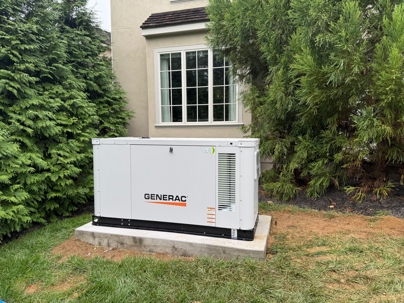
A standby generator is one of those systems most homeowners rarely think about... until the power goes out. Whether it's a summer thunderstorm, a utility issue, or severe weather rolling through southeastern Pennsylvania, your generator needs to be ready to start when you need it.
One of the most common questions homeowners ask after a generator installation is how often the system needs maintenance. The short answer is that most standby generators should be professionally serviced at least once a year. However, usage, operating conditions, and manufacturer recommendations can affect that schedule.
Here's what homeowners should know about generator maintenance and why regular service matters.
Why Generator Maintenance Matters
Unlike portable generators that may only be used occasionally, a whole-house standby generator is designed to monitor your home's power supply year-round. Many systems perform automatic self-tests weekly and can accumulate wear even when they aren't actively powering your home.
Over time, engine components, batteries, filters, and fluids can deteriorate. Without routine maintenance, small issues can go unnoticed until the generator is needed during an outage.
Regular generator maintenance helps:
- Keep the engine running properly
- Identify worn or aging components
- Reduce the risk of startup failures
- Extend equipment life
- Maintain manufacturer warranty requirements
A generator that starts reliably after months of inactivity is usually one that has been serviced on schedule.
How Often Should a Standby Generator Be Serviced?
Most manufacturers recommend professional maintenance once every year or after a specific number of operating hours, whichever comes first.
For many residential systems, annual service is sufficient if outages are infrequent. However, generators that run more often may require additional inspections.
Factors that can affect maintenance frequency include:
- Frequent power outages
- Extended runtime during storms
- Generator age
- Local weather conditions
- Manufacturer guidelines
In areas like Ambler, Blue Bell, Bryn Mawr, and Chester Springs, summer storms can place added demands on standby generators. After a season with multiple outages, it may be worth scheduling an inspection even if your annual service date hasn't arrived yet.
What Happens During Generator Maintenance?
A professional generator service visit involves much more than a quick visual inspection.
Technicians typically check:
- Engine oil and oil filter
- Air filters
- Spark plugs
- Battery condition and charging system
- Coolant levels (when applicable)
- Fuel system components
- Electrical connections
- Transfer switch operation
- Error codes and system diagnostics
The technician will also run operational tests to verify that the generator starts correctly and transfers power as intended.
These inspections often uncover issues that aren't obvious to homeowners, such as weak batteries, fluid leaks, or components beginning to wear out.
Signs Your Generator May Need Service Sooner
Even if your annual maintenance appointment isn't due yet, certain warning signs should not be ignored.
Watch for:
- Warning lights or error messages
- Difficulty starting during self-tests
- Unusual noises or vibration
- Battery alerts
- Visible leaks
- Excessive exhaust smoke
- The generator failing to start during an outage
If you notice any of these issues, it's best to schedule generator services before the next storm or outage puts the system to the test.
Does Generator Maintenance Differ for Commercial Properties?
Yes. Commercial generators often operate under different demands than residential systems.
Businesses may rely on backup power for:
- Critical equipment
- Security systems
- Refrigeration
- Data storage
- Operational continuity
Because of these higher stakes, commercial generators may require more frequent inspections, load testing, and maintenance schedules based on runtime hours.
Property managers and business owners should follow manufacturer recommendations and consult with qualified technicians to establish an appropriate maintenance plan.
Can Homeowners Perform Generator Maintenance Themselves?
There are a few basic tasks homeowners can handle, such as keeping the area around the generator clear of debris and visually inspecting the unit for obvious damage.
However, most maintenance should be performed by trained professionals.
Modern standby generators contain complex electrical and mechanical components that require specialized knowledge and diagnostic equipment. Professional service also helps ensure warranty compliance and accurate troubleshooting if problems develop.
Keep Your Generator Ready for the Next Outage
A whole-house generator is only useful if it works when the power goes out. Annual maintenance helps catch developing problems, keeps the system operating efficiently, and reduces the chance of unexpected failures during severe weather.
If your generator is due for service—or if you're considering a new generator installation—Power Watch Systems can help. Our team provides generator installation, generator maintenance, warranty support, and repair services for homeowners and businesses throughout southeastern Pennsylvania.
Call (610) 890-7693 or visit us online to get started!